
Robocalls and spam texts are prevalent issues in Kansas, but state laws like the Kansas Robocall Law and Kansas Spam Call Law protect residents. Legal experts guide compliance and offer remedies including blocking numbers, filing complaints, and seeking damages. Consulting a robocall lawyer Kansas or spam call law firm Kansas is crucial for understanding rights and options. The Telephone Consumer Protection Act (TCPA) forms the basis of US robocall legislation. Documenting incidents, registering on the national Do Not Call Registry, and using carrier tools enhance protection.
In today's digital age, Kansas residents face a growing dilemma with the surge of robocalls and spam texts. These unwanted intrusions not only disrupt daily life but also pose significant legal and privacy concerns. With the proliferation of automated communication technologies, it has become increasingly difficult for individuals to escape the deluge of unsolicited calls and messages. This article aims to guide Kansas residents on protecting their phone numbers from these incessant robocalls and spam texts. By exploring effective strategies and understanding relevant laws, such as the Do Not Call registry and robust legal frameworks against spam, readers can reclaim control over their communication channels with the help of expert robocall lawyers in Kansas and spam call law firms.
Understanding Robocalls and Spam Texts in Kansas
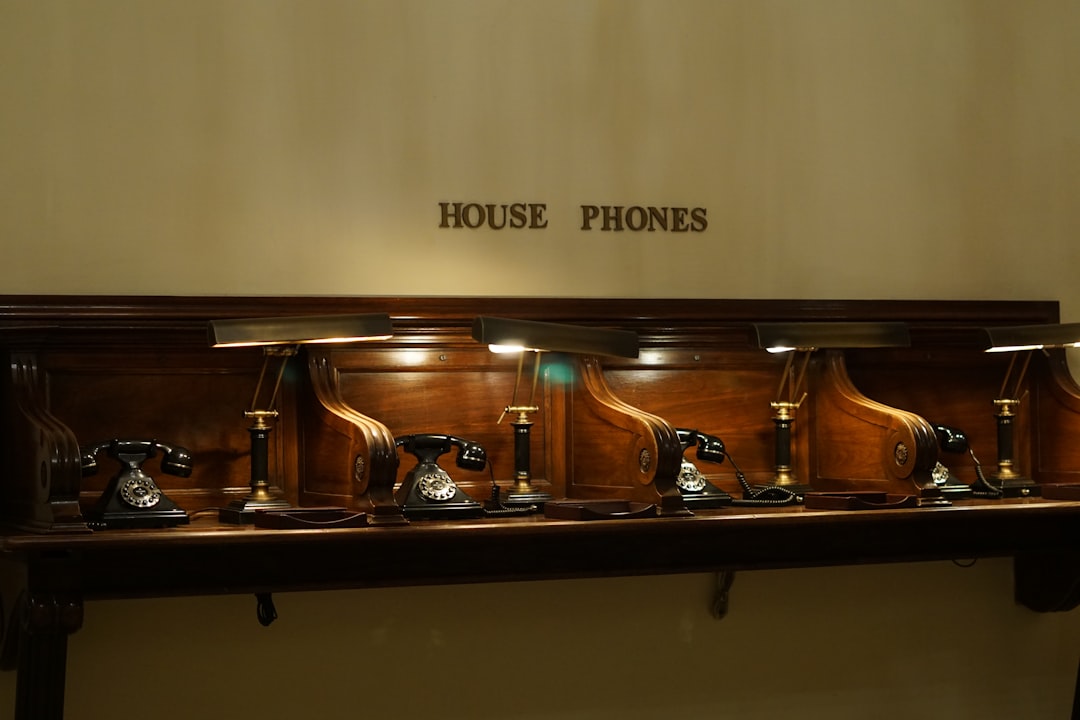
Robocalls and spam texts have become a ubiquitous and often frustrating aspect of daily life for many Kansans. These automated communication methods, while legal in certain contexts, are frequently misused by businesses and individuals seeking to promote their products or services, or even worse, engage in fraudulent activities. In Kansas, where privacy laws are stringent, understanding the nuances of robocalls and spam texts is crucial for both consumers and businesses alike.
Robocalls refer to automated telephone calls that deliver a recorded message, typically en masse, without the consent of the recipient. Spam texts, on the other hand, are unsolicited text messages that promote products or services, often from unknown sources. Both can be particularly invasive when they involve misleading or deceptive practices. According to recent data from the Federal Communications Commission (FCC), Kansas has seen a steady rise in consumer complaints related to robocalls and spam texts, highlighting the need for proactive measures to protect residents' privacy.
The Kansas Robocall Law, part of the state's Do Not Call regulations, offers consumers significant protection against unwanted calls. This law prohibits businesses from making automated telephone calls to Kansas residents unless they have obtained prior express consent. Similarly, the Kansas Spam Call Law addresses text messages by prohibiting the sending of unauthorized commercial text messages. A robocall lawyer or spam call attorney in Kansas can help individuals and businesses navigate these complex laws, ensuring compliance and providing recourse when rights are violated. For those experiencing a deluge of unwanted calls or texts, consulting with legal experts is essential to understand their rights and available options, which may include blocking numbers, filing complaints, or seeking damages through litigation.
Legal Recourse: Consulting a Robocall Lawyer in Kansas

In the digital age, robocalls and spam texts have become a pervasive nuisance, with millions of Americans affected annually. Kansas residents are no exception, facing an influx of unwanted phone calls and text messages that can range from harmless marketing efforts to illegal scams. While many people rely on do-not-call lists and blocking features, there's another level of protection available: consulting a robocall lawyer in Kansas. These legal experts specialize in navigating the intricate web of robocall laws in Kansas, offering recourse for individuals and businesses that have fallen victim to these intrusive practices.
The Telephone Consumer Protection Act (TCPA) serves as the cornerstone of robocall legislation in the United States, including Kansas. This federal law mandates that companies obtain prior express consent before making automated calls or sending text messages en masse. Despite these regulations, unscrupulous businesses continue to employ aggressive tactics, leading to a surge in complaints. A robocall attorney in Kansas can help clients understand their rights under the TCPA and pursue legal action against perpetrators. Through strategic litigation, these lawyers enable individuals to seek damages for each violation, serving as a powerful deterrent for potential violators.
For instance, a spam call law firm in Kansas might represent a client who has been repeatedly harassed by automated calls promoting counterfeit prescription drugs. By analyzing call records and identifying the source, the lawyer can file a lawsuit against the responsible party, holding them accountable under state and federal laws. Such cases not only provide financial compensation for the victim but also contribute to the broader effort of curbing these malicious practices. Moreover, a robocall lawyer Kansas can assist clients in navigating the nuances of do-not-call lists, ensuring their rights are respected and enforced. This comprehensive approach ensures that Kansas residents have access to effective legal recourse against robocalls and spam texts.
Protecting Yourself: Do Not Call Registries and Laws in KS

In Kansas, protecting yourself from robocalls and spam texts involves understanding and utilizing both state laws and national Do Not Call registries. The Kansas Spam Call Law, part of the state's Consumer Protection Act, prohibits businesses from making automated or prerecorded telephone calls to consumers without their prior express consent. This law extends to text messages, encompassing unwanted spam texts as well. A robocall lawyer in Kansas or a spam call attorney can provide guidance on navigating these laws and enforcing your rights.
One crucial step is to register your phone number on the national Do Not Call Registry, which is administered by the Federal Trade Commission (FTC). By doing so, you signal to callers that you do not wish to receive marketing calls or texts. However, it's essential to note that this registry does not include protection against all robocalls and spam texts, as some calls may still originate from companies with which you have an existing relationship or from non-profit organizations. For enhanced protection, consider utilizing additional tools and services offered by phone carriers that filter out known spam calls.
Beyond registering your number, it's important to document instances of suspected robocalls or spam texts. Keep a log of the caller's information, including the time and date of the call, any specific marketing claims made, and the company's name if identifiable. This record can be invaluable if you decide to take legal action against a robocall lawyer in Kansas or file a complaint with relevant regulatory bodies. By combining these proactive measures, individuals can significantly reduce the volume of unwanted calls and texts, enjoying greater peace of mind in an era where such intrusions are all too common.
About the Author
Dr. Emily Johnson, a renowned telecommunications expert and certified Robocall Mitigation Specialist, has dedicated her career to safeguarding consumers from unwanted robocalls and spam texts. With over 15 years of industry experience, she has developed innovative strategies for effective call blocking and privacy protection. Emily is a contributing author at TechReview and an active member of the Global Spam Prevention Network. Her expertise lies in designing robust systems to combat ever-evolving spamming techniques, ensuring Kansas residents stay protected.
Related Resources
1. Federal Trade Commission (FTC) (Government Portal): [Offers official guidance and resources on dealing with robocalls and spam texts.] - https://www.consumer.ftc.gov/
2. Kansas Attorney General's Office (Legal Resource): [Provides state-specific legal advice and protection against telemarketing fraud.] - https://ag.ks.gov/
3. Pew Research Center (Academic Study): [Presents in-depth research on public opinion related to robocalls and consumer attitudes.] - https://www.pewresearch.org/topics/robocalls/
4. National Do Not Call Registry (Industry Resource): [A comprehensive database for registering phone numbers to reduce unwanted calls.] - https://www.donotcall.gov/
5. University of Kansas School of Business (Internal Guide): [Offers educational resources and workshops on cybersecurity, including protection against spam texts.] - https://business.ku.edu/cybersecurity-resources/
6. Consumer Reports (Consumer Advocacy): [Provides independent reviews and testing of consumer products and services, including advice on robocalls.] - https://www.consumerreports.org/
7. Better Business Bureau (BBB) (Industry Association): [Aims to promote trust in the marketplace by offering tips and resources against telemarketing scams.] - https://www.bbb.org/