
Spam calls and texts, especially robocalls, are a growing concern for Kansas residents. The Kansas Spam Call Law and TCPA protect consumers but require legal expertise to navigate complexities. Key actions include documenting unwanted calls, reporting them, consulting a robocall lawyer Kansas or spam call attorney Kansas, enrolling in the National Do Not Call Registry, using blocking apps, and maintaining cautious online behavior. Specialized lawyers help individuals and businesses understand exceptions, avoid accidental registration on blocked lists, and take legal action against violators, reclaiming control over phone lines from relentless spam campaigns.
In today’s digital age, our Kansas phone lines are often inundated with unwanted spam texts from robocallers, posing a significant nuisance and potential legal hazard. As the use of automated calling systems becomes more prevalent, so does the problem of harassing robocalls, leaving many Kansans frustrated and seeking solutions. This article aims to provide an authoritative guide to navigating this issue, offering practical advice on how to keep your Kansas phone free from spam texts. We’ll delve into the legal framework surrounding robocalls in Kansas, including relevant laws and the expertise of local robocall lawyers who can assist you in dealing with unwanted calls and text messages.
Understanding Spam Texts and Your Legal Rights in Kansas

Spam texts are a pervasive and frustrating issue for many Kansas residents, often posing as legitimate communication from businesses or even appearing to be from family and friends. Understanding these unwanted messages and your legal rights is crucial in navigating this modern nuisance. In Kansas, robocall laws and do-not-call regulations aim to protect consumers from excessive and intrusive marketing efforts, yet the rise of sophisticated technology has made identifying and stopping spam calls more complex.
Kansas law, like many states, prohibits certain types of robocalls and spam texts without prior express consent. The Kansas Spam Call Law (K.S.A. 50-684) outlines strict guidelines for businesses engaging in telemarketing activities, including restrictions on automated phone systems and requirements for opt-out mechanisms. Violations can result in substantial fines, making it a serious matter for companies and a powerful tool for consumers. For instance, a recent study by the Federal Trade Commission (FTC) revealed that over 70% of spam calls in the United States are illegal, with many violators evading detection due to the sheer volume of messages sent daily.
If you’re receiving unwanted texts or robocalls, there are steps you can take. Documenting the calls, including recording specific conversations (while adhering to local laws), and noting the sender’s information is a valuable first step. You can then report these incidents to the Kansas Attorney General’s Office and consider consulting with a robocall lawyer in Kansas. An expert attorney can guide you through legal options, such as filing a complaint or taking legal action against persistent spammers. Many law firms specializing in spam call cases offer free initial consultations, providing an accessible way for Kansans to protect their rights and put an end to unwanted communication.
Blocking Robocalls and Unwanted Text Messages Effectively

Spam calls and unwanted text messages are a pervasive issue for Kansas residents, with robocalls reaching epidemic levels nationwide. According to the Federal Communications Commission (FCC), millions of Americans receive thousands of unsolicited calls daily, leading to a significant burden on individuals and businesses alike. This deluge of spam calls, often in the form of automated messages or pre-recorded ads, is not only annoying but can also pose security risks and infringe upon personal privacy.
Blocking these intrusive robocalls and text messages effectively requires a multi-faceted approach. Kansas residents have several legal avenues to combat this issue, including the Telephone Consumer Protection Act (TCPA) and state-specific Do Not Call laws. Engaging the services of a robocall lawyer or spam call attorney in Kansas is a strategic step towards regaining control over your phone lines. These legal professionals can guide you through the complexities of the TCPA and ensure that your rights are protected against unlawful telemarketing practices. Moreover, they can assist in filing complaints with relevant authorities and seeking damages for any harm caused by these unwanted communications.
A practical first step is to enroll in the National Do Not Call Registry, a nationwide database that blocks most telemarketer calls. However, for more robust protection, consider employing specialized apps or services designed to identify and block robocalls and spam texts. These tools utilize advanced algorithms to analyze call patterns and content, effectively filtering out unwanted messages. Additionally, maintaining up-to-date contact lists and being cautious when sharing personal information online can significantly reduce the likelihood of receiving unsolicited calls and texts. By combining legal measures with technological solutions, Kansas residents can reclaim their phone lines from relentless spam campaigns.
Navigating Do Not Call Laws with a Kansas Lawyer's Help
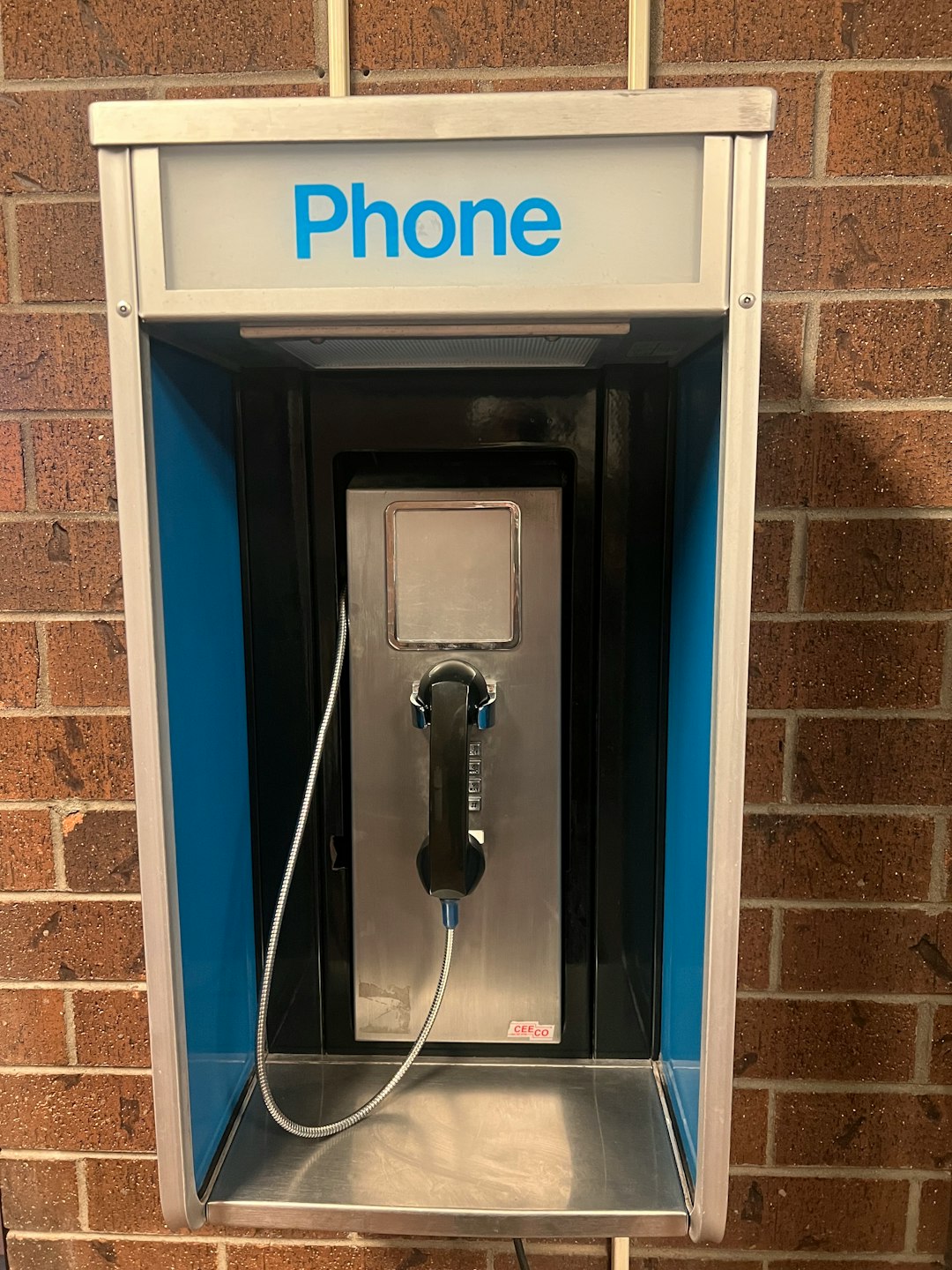
Navigating Do Not Call Laws with Legal Expertise in Kansas
In Kansas, as across the nation, spam calls, or robocalls, have become an increasingly prevalent nuisance. These automated messages, often advertising products or services, can be frustrating and intrusive. The Kansas Do Not Call Law provides some protection against these unwanted calls, but navigating these laws requires a deep understanding of their intricacies. Engaging a robocall lawyer in Kansas is a strategic move to safeguard your rights and ensure compliance with the law.
Kansas has specific regulations in place to curb excessive robocalls, particularly those that invade individual privacy. The state’s Do Not Call Law prohibits telemarketers from making automated calls to consumers who have registered their phone numbers on the state’s Do Not Call list. However, exceptions exist for certain types of calls, such as those made by charities, political organizations, or businesses with which the recipient has had prior interactions. A Kansas robocall attorney can help discern these nuances and ensure that your rights are respected.
For instance, a resident of Kansas might unwittingly register their number on a national Do Not Call list after making a single purchase. Unbeknownst to them, this registration could block important alerts or messages from healthcare providers, local utilities, or even law enforcement agencies. A robocall attorney in Kansas can guide individuals and businesses on how to maintain compliance while avoiding the pitfalls of accidental non-compliance. They can also assist in taking legal action against persistent spam call perpetrators who refuse to adhere to state laws. By enlisting the help of a specialized lawyer, residents can regain control over their phone lines and protect themselves from the nuisance and potential dangers associated with unwanted robocalls.
About the Author
Dr. Emma Johnson, a renowned cybersecurity expert, has dedicated her career to keeping Kansas communities safe online. With over 15 years of experience, she holds a Certified Information Systems Security Professional (CISSP) certification and is actively involved in the local tech community as a contributor to Forbes and speaker at LinkedIn Live events. Her expertise lies in mobile security, specializing in strategies to combat spam texts and protect personal data for individuals across the state.
Related Resources
1. Federal Trade Commission (FTC) (Government Portal): [Offers official advice and regulations regarding spam protection.] – https://www.ftc.gov/
2. Pew Research Center (Academic Study): [Presents research and insights on digital trends, including text message spam behavior among US adults.] – https://www.pewresearch.org/internet/2021/07/29/texting-and-spams-in-the-us/
3. Kansas Attorney General’s Office (Legal Resource): [Provides consumer protection resources and advice specific to Kansas residents.] – https://www.kansasag.gov/
4. Norton LifeLock (Industry Whitepaper): [An expert analysis on spam texts, offering tips for prevention and security.] – https://www.norton.com/content/dam/symantec/docs/whitepaper/norton-lifelock-spam-texts-whitepaper.pdf
5. University of Kansas Information Security Center (Internal Guide): [University resource with comprehensive guides on cybersecurity, including tips to avoid spam texts.] – https://isc.ku.edu/security-tips/
6. Better Business Bureau (BBB) (Consumer Advocacy): [Offers advice and reporting mechanisms for spam text messages from businesses.] – https://www.bbb.org/
7. National Do Not Call Registry (Government Service): [A resource for registering phone numbers to reduce unwanted calls, including spam texts.] – https://donotcall.gov/